
Division for International Research and Educational Cooperation
Graduate School of Science and Faculty of Science , Tohoku University

Home > Voices from Alumni > A Journey of Continuous Discovery: from Sendai to Indonesia (Dr. Mochamad Riza Iskandar, Class of 2020)
Voices from Alumni
A Journey of Continuous Discovery: from Sendai to Indonesia (Dr. Mochamad Riza Iskandar, Class of 2020)
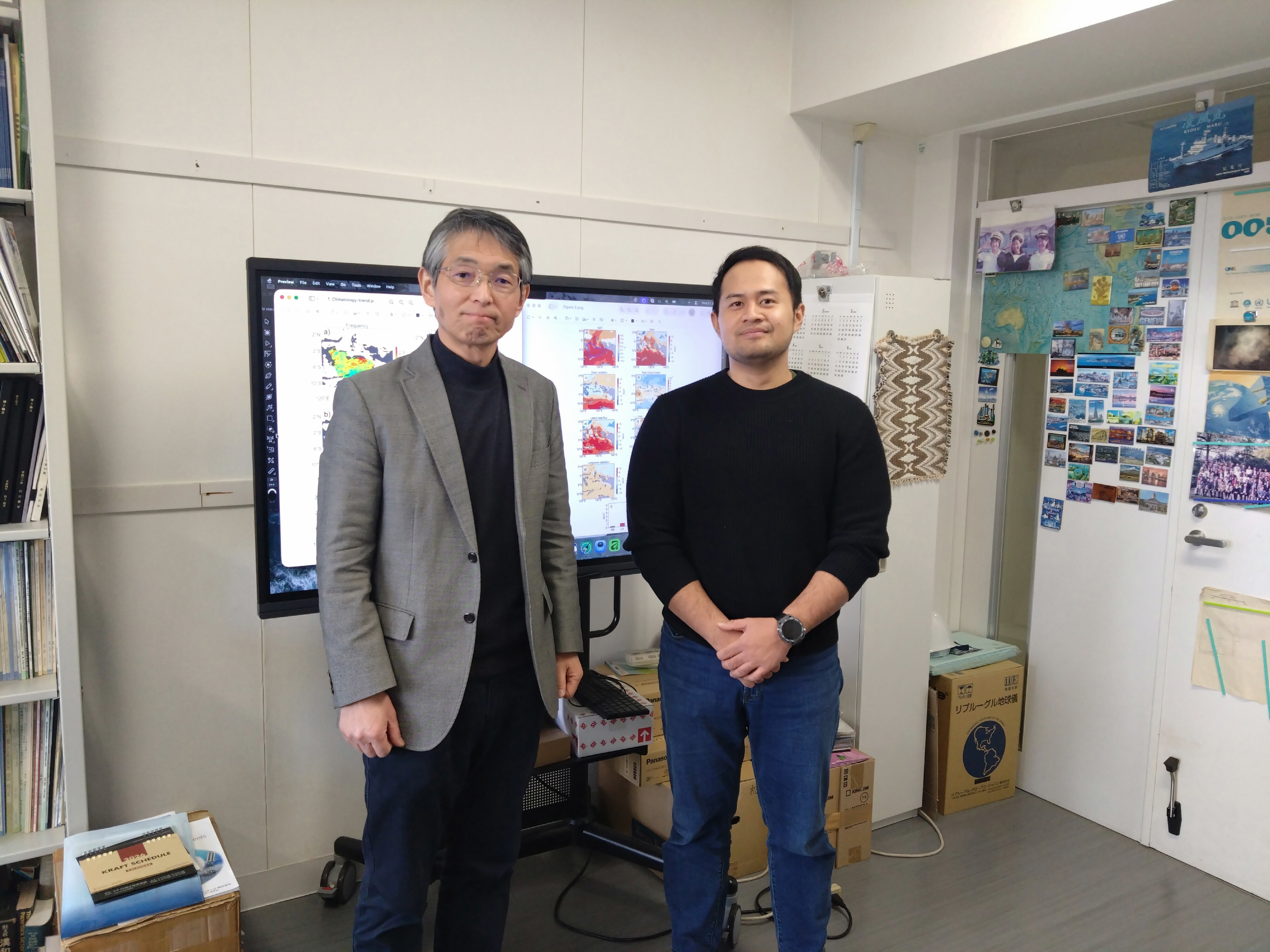
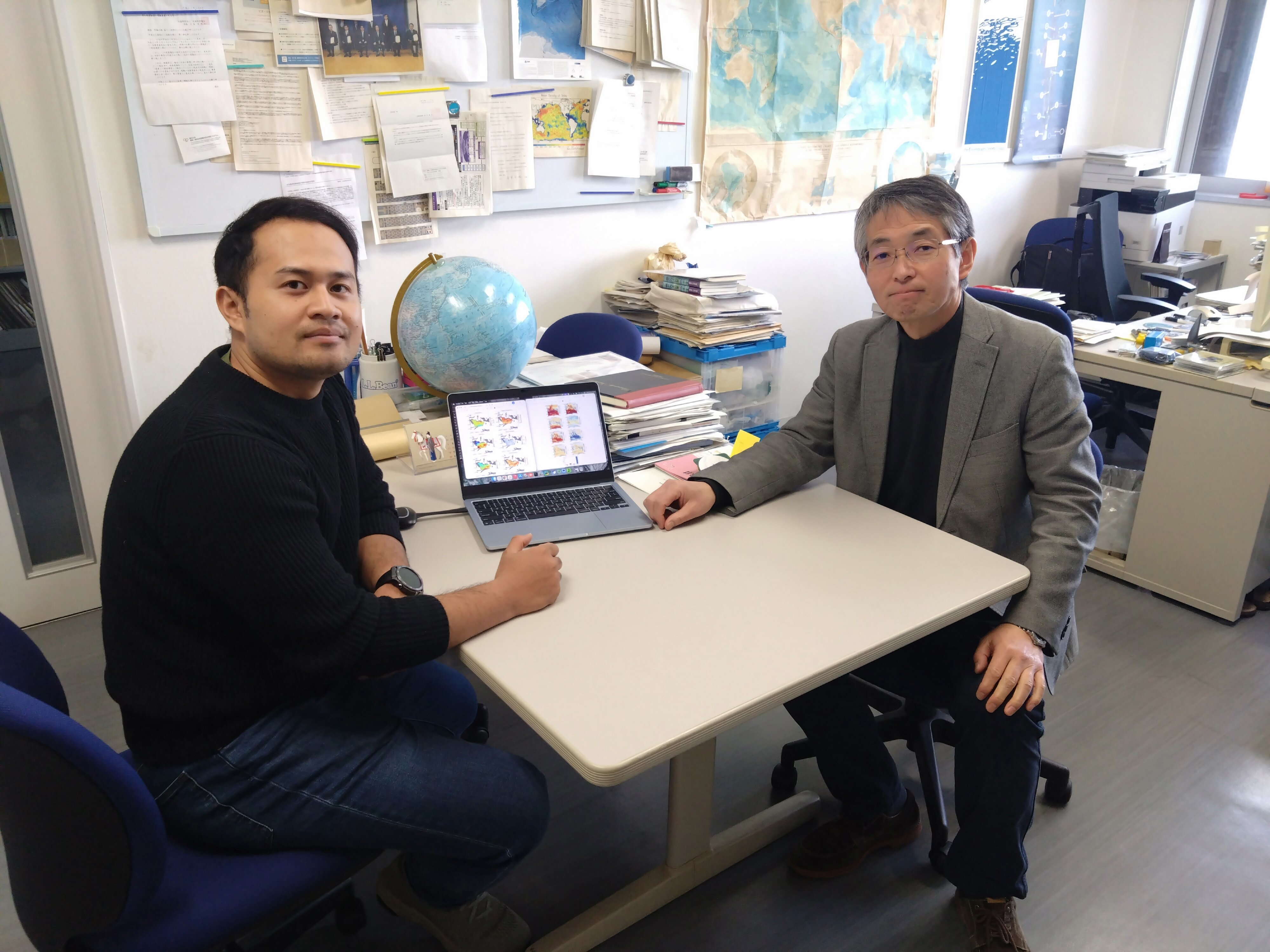
Dr. Mochamad Riza Iskandar (Geophysics) visited Tohoku University on "Follow-up Research Fellowship" program sponsored by JASSO (Japan Student Service Organization) to stay for three months (from December 2025 to March 2026).
I began my academic journey at Tohoku University in 2015 as an IGPAS Master's student, continuing directly into the doctoral program until 2020. Those five years in Sendai were among the most transformative periods of my life, both academically and personally. During my Master's and PhD studies, my research focused on the Indonesian Throughflow (ITF), particularly its variability and its relationship with climate and air-sea interaction processes. The ITF plays a crucial role in global ocean circulation, transporting water masses from the Pacific to the Indian Ocean and influencing regional and global climate systems. In my previous research, I examined how small-scale processes, such as mesoscale eddies, contribute to variations in the ITF, and how ocean-atmosphere feedback mechanisms modulate physical properties such as temperature and salinity within the system.
Studying the ITF in Japan--far from the Indonesian seas where the current flows--gave me a broader scientific perspective. At Tohoku University, I studied advanced oceanographic data analysis and numerical modeling. The academic environment in the Physical Oceanography Laboratory taught me to approach problems critically and to situate regional ocean phenomena within a larger climatic context. These experiences not only strengthened my technical skills but also shaped how I think as a scientist.
 Currently, I am working as a Physical Oceanography Researcher at the Research Center for Oceanology, National Research and Innovation Agency (BRIN), Indonesia. My recent research focuses on Marine Heatwaves (MHWs) and marine debris in Indonesian waters, particularly investigating their connections with large-scale ocean circulation, including the ITF. In many ways, my present work extends on the foundation I built in Sendai. The knowledge of ocean dynamics and air-sea interaction that I developed at Tohoku University now helps me understand how extreme ocean warming events form, how they affect marine ecosystems, and how circulation patterns influence the transport and accumulation of marine debris.
Although I am now based in Indonesia, I sincerely hope to continue and strengthen collaborations with Tohoku University in the near future. The mentorship and academic network I developed there remain important pillars in my research journey. Scientific collaboration between Japan and Indonesia is especially meaningful, as both countries are closely linked through the Pacific Ocean and shared climate ynamics.
Looking back, one of the most challenging aspects of my early life in Sendai was adapting to the weather. Coming from a tropical country, experiencing winter for the first time was both exciting and demanding. The cold winds and snow were unfamiliar to me. However, learning to adapt to a new climate, culture, and academic system ultimately strengthened my resilience.
Beyond academics, Sendai holds a special place in my heart as a beautiful and welcoming city where urban life blends harmoniously with nature. Marked by distinct seasonal changes, it offered experiences that were entirely new to me. The Physics building remains a meaningful symbol of my journey, reminding me of long hours of research, moments of discovery, and friendships. At the same time, simple pleasures--especially enjoying Sendai's famous Gyutan--made daily life joyful and memorable. I can confidently say that Sendai's gyutan is the best in the world; it is a flavor I miss dearly whenever I am away. It is this combination of intellectual growth, natural beauty, and everyday warmth that makes Sendai an unforgettable chapter in my life.
Reflecti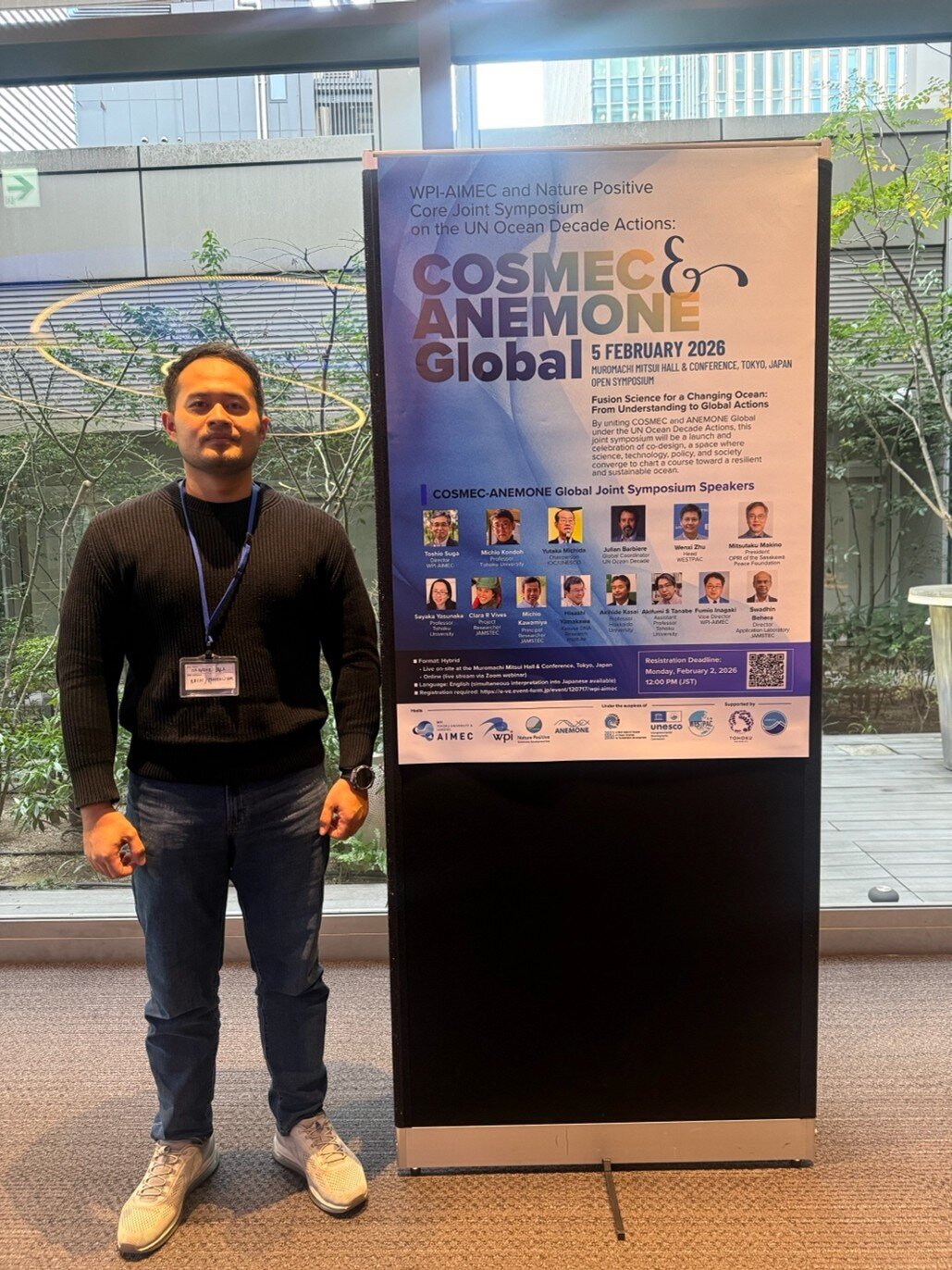 ng on my journey, particularly receiving the JASSO fellowship, I believe careful preparation was key.
I made sure my documents were thoroughly prepared and that my research motivation was clearly articulated. Most importantly, I received strong guidance and a recommendation letter from my prospective supervisor, Suga-sensei. Through in-depth discussions about my research proposal, I was able to refine my ideas and align them with ongoing research at the university. That process gave me confidence and clarity during the application.
My time at Tohoku University not only deepened my expertise in physical oceanography, but also shaped my identity as a researcher. The scientific activities, international environment, and personal growth I experienced in Sendai continue to guide my work today. From studying the ITF in Japan to investigating marine heatwaves and marine debris in Indonesia, my journey reflects the interconnected nature of science across borders.
I remain deeply grateful to my professors, IGPAS, and DiRECT for their guidance, to my colleagues for their friendship, and to the academic environment that nurtured my growth.
* * * * Photos * * * *
- Top: WIth Professor Toshio Suga in his labolatory
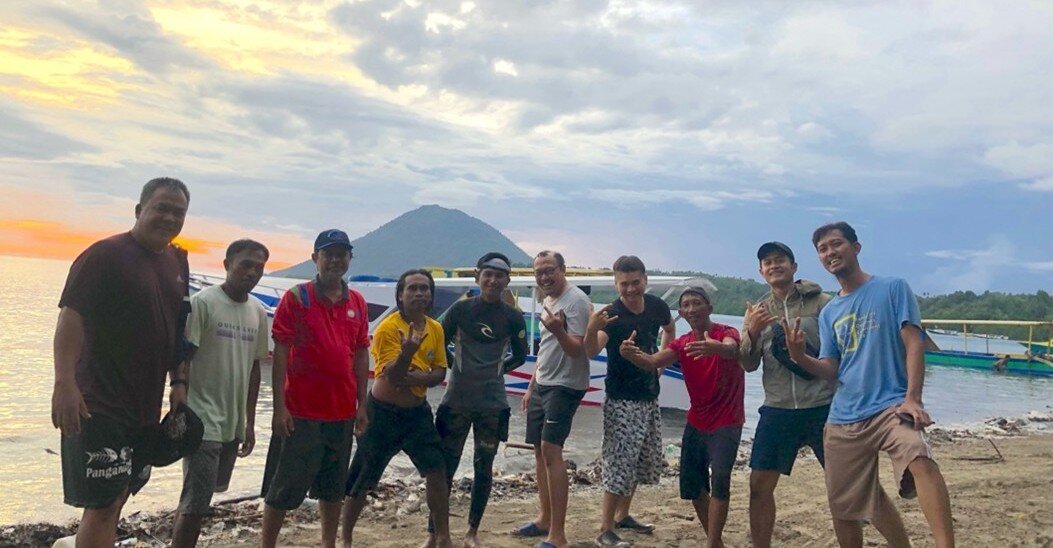
- Left: Conducting field research and data sampling in Manado waters, North Sulawesi, with researchers from BRIN and Indonesian universities
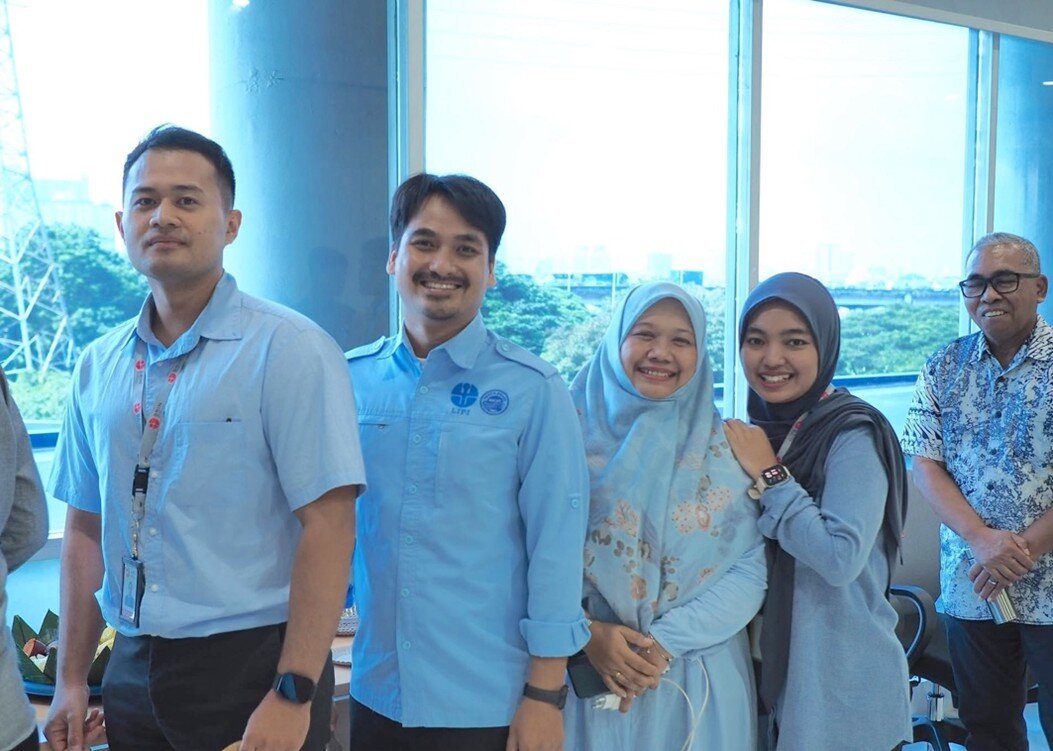
- Right: With colleagues at BRIN during an office gathering
- Bottom right: At the COSMEC-ANEMONE Global Joint Symposium in Tokyo (February 2026).