Biodiversity is extremely complicated. There are many definitions and many ways to measure it, and on top of that, your results can change when you measure it differently. I use big ecological data and statistical and machine-learning models to make metrics that explain biodiversity, then map them to investigate their patterns.
I am also interested in ecosystem services, which are benefits that nature provides to people. These services are produced by ecosystem functions, which in turn are generated by the various actions of organisms. High variation in species' body forms and behavior results in increased ecosystem function, and this variation is a metric called "functional diversity". Currently, as part of my research, I am making predictions of functional diversity hotspots throughout Japan for species that provide ecosystem services.
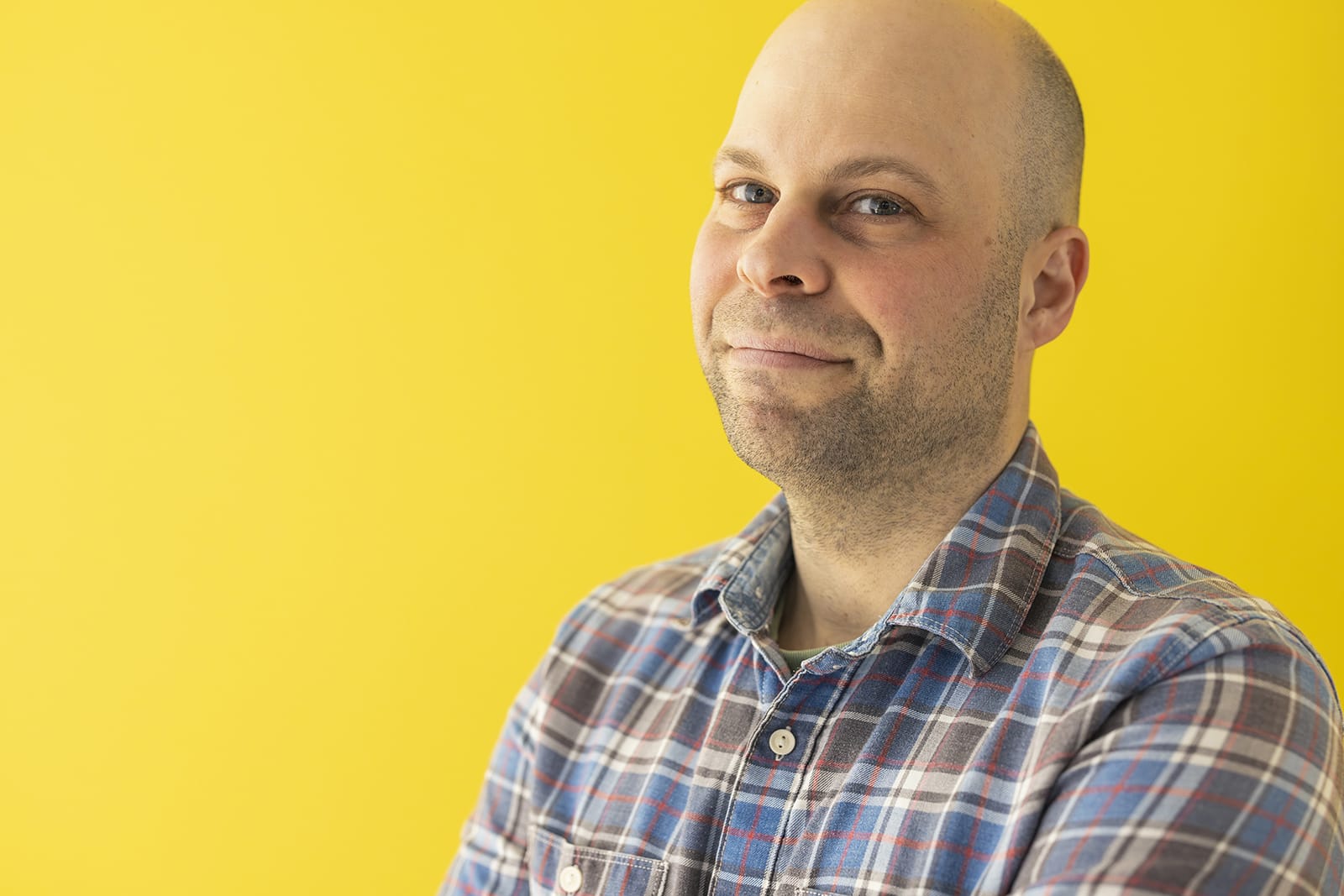

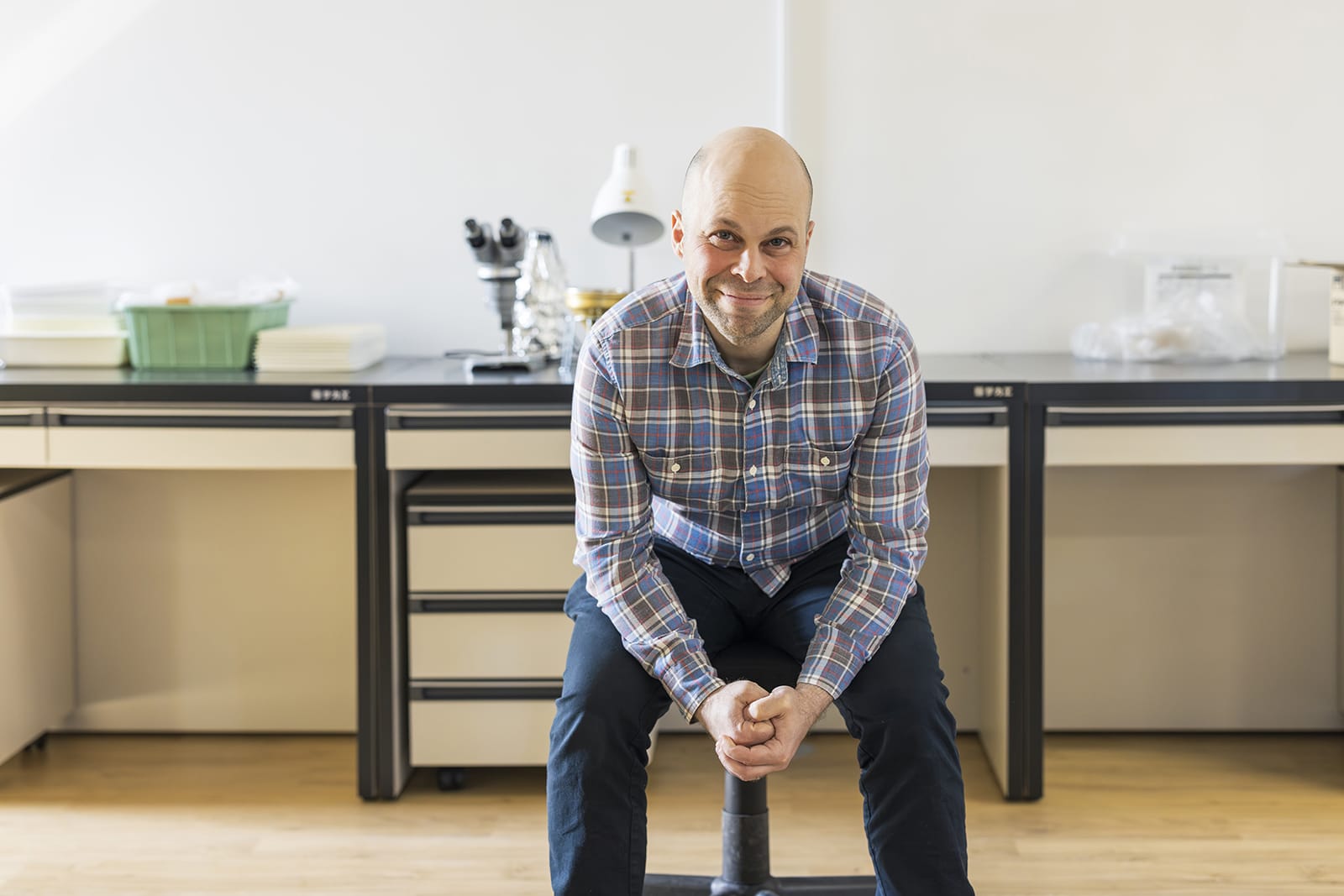
We must do all we can to protect nature, but at the same time, let's continue to research the natural world.
- Jamie M. KASS
- Associate Professor, Department of Biology, Faculty of Science, and Graduate School of Life Sciences
1.
What kind of research are you doing?
2.
What is the reason for starting your study?
Of course, I think that nature should be conserved for its own sake. However, there are various benefits that nature provides that have no associated price, and people consume them all for free. If we use data on the natural world to quantify and visualize these benefits, I think that the value of nature will become easier to comprehend. Until recently, data at the national and global scales has been difficult to obtain, but now much biodiversity data is open and available for researchers. My interest is to use these data to help quantify the value of nature and better understand patterns of biodiversity.
3.
Message for prospective students
No matter what new technology emerges, it will not change the fact that nature will still be the most complex and interesting thing on Earth. Therefore, there are yet many unknown things to discover, so regardless of what age we find ourselves in, there is still value in studying nature. We must do all we can to protect nature, but at the same time, let's continue to research the natural world.
- Name:
- Jamie M. KASS
- Position:
- Associate Professor, Department of Biology, Faculty of Science, and Graduate School of Life Sciences
- Laboratory:
- Macroecology Lab
- Hometown:
- New York City, USA
- Books I am reading lately:
- Scientific papers in ecology, Haruki Murakami
- Research area:
- Ecology, biogeography
- Posted Date:
- Jun 29, 2026